
Rethinking Estate Planning for a Legacy Without Heirs

Updated: May 19
Estate planning often assumes there will be heirs to inherit assets. This assumption shapes how people think about their wealth and how it will be passed on. But what happens when there are no clear heirs, or when the connections to family are weak or uncertain? This situation is becoming more common, yet most planning frameworks do not address it well. Instead, they default to simple solutions that may not reflect the true intentions or values of the individual.
This post explores how estate planning changes when the question of heirs is unclear or absent. It offers a fresh perspective on planning with purpose, focusing on what assets can do beyond traditional inheritance. The goal is to help readers understand how to create meaningful plans that reflect their values and goals, even without heirs.
The Assumption of Heirs and Its Limits
Most estate plans start with the idea that wealth will pass to children, grandchildren, or other family members. This assumption influences everything from wills to trusts and tax strategies. For many, this is straightforward: family members are the natural recipients of assets.
But this assumption does not fit everyone’s reality. Some people have no children or close relatives. Others have family but no strong relationships or desire to transfer wealth to them. In some cases, people want to use their assets in ways that go beyond simply giving money to heirs.
When heirs are not clearly defined, traditional estate planning can feel incomplete or unsatisfying. It often leads to default choices that do not fully capture the individual’s wishes or the potential impact of their assets.
Why Defaulting to Charity Is Not Enough in Estate Planning
When there are no heirs, many plans default to leaving assets to charity. This choice is common because it seems simple and socially responsible. Yet, it often lacks depth and strategy.
Leaving money to charity without a clear plan does not answer important questions such as:
What difference does the donor want to make?
How can the assets be used over time to support causes or values?
Who will manage the assets and ensure the plan reflects the donor’s intentions?
Simply naming a charity as a beneficiary is a distribution, not a strategy. It misses the opportunity to create a lasting legacy that reflects personal meaning and purpose.

Shifting the Question to What Assets Can Do
When the focus moves from who will inherit to what the assets can accomplish, planning takes on new meaning. Instead of simply distributing wealth, the question becomes: What could these resources actually do?
This shift opens up possibilities such as:
Creating income streams for the owner or others during their lifetime
Supporting work or projects that align with personal values
Involving trusted advisors or friends in managing and directing assets
Building a legacy that grows and adapts over time rather than a one-time gift
For example, someone might set up a fund to support environmental projects, with a trusted friend overseeing grants. Another person might create a foundation that provides scholarships in a field they care about, with clear guidelines for how the money is used.
Why Most Planning Frameworks Feel Unresolved
Traditional estate planning tools focus on transferring wealth to heirs. They often do not provide guidance on defining meaning or purpose when heirs are absent. This gap leaves many people feeling uncertain about how to proceed.
Without clear heirs, plans can feel open-ended or incomplete. This uncertainty can cause delays or lead to default choices that do not reflect true intentions. It also means that the real work of defining purpose and impact often falls to the individual, without much support from existing frameworks.
How Purpose-Driven Planning Changes the Process
When purpose becomes the focus, estate planning becomes more intentional and creative. It requires thinking beyond legal documents to consider values, goals, and impact. Some key changes include:
Creating income where it’s needed: Instead of simply transferring assets, plans can generate income to support the owner’s lifestyle or causes they care about.
Supporting meaningful work: Assets can fund projects, organizations, or initiatives that reflect personal beliefs and passions.
Involving trusted people: Friends, advisors, or professionals can play active roles in managing and directing assets to ensure the plan stays true to its purpose.
Building a living legacy: Rather than a final gift, the plan can create ongoing impact that evolves over time.
For instance, a person without heirs might establish a donor-advised fund that supports local arts programs, with a group of friends helping decide grants each year. Another might create a trust that provides income to themselves while also funding medical research aligned with their values.
Practical Steps for Planning Without Heirs
If you find yourself in a situation without clear heirs, consider these steps to create a purposeful estate plan:
Clarify your values and goals
Reflect on what matters most to you. What causes, communities, or projects do you want to support? What kind of impact do you want to leave?
Identify trusted people or organizations
Think about who can help manage your assets or carry out your wishes. This might be friends, advisors, or nonprofit organizations.
Explore flexible planning tools
Look beyond traditional wills and trusts. Consider donor-advised funds, charitable remainder trusts, or foundations that allow ongoing involvement and adaptation.
Plan for income and support during your lifetime
Design your plan to provide for your needs while also supporting your goals. This might include income-generating assets or grants.
Document your intentions clearly
Work with legal and financial professionals to create documents that reflect your purpose and provide clear guidance for those involved.
Review and update regularly
Life changes, and so can your goals. Keep your plan flexible and revisit it periodically to ensure it still fits your intentions.
The Opportunity in Open-Ended Planning
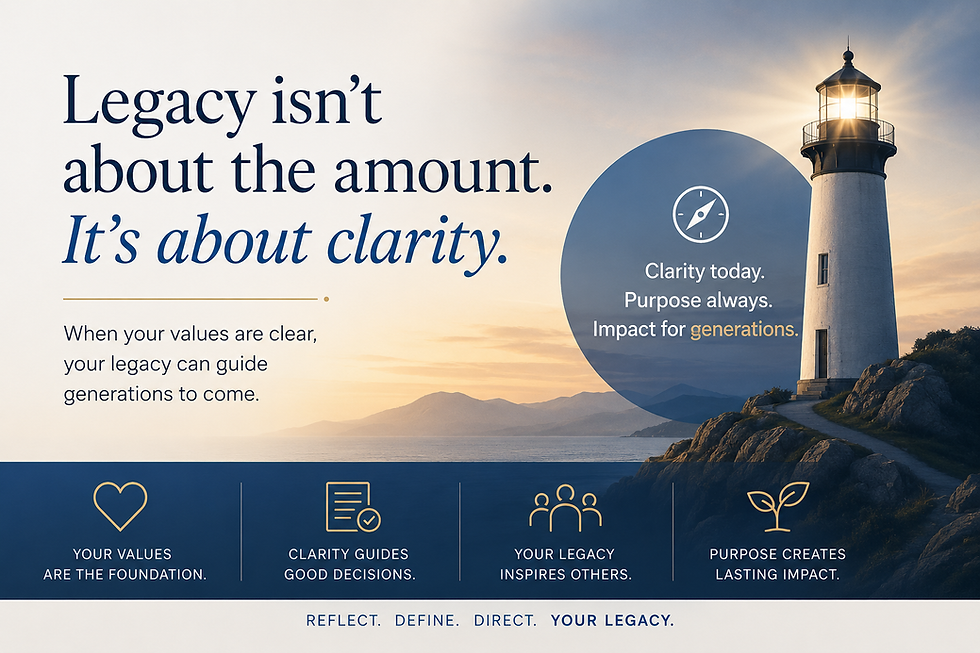
Planning without heirs can feel uncertain, but it also offers a unique opportunity. Without the constraints of traditional inheritance, you can design a plan that truly reflects your values and vision.
This openness allows for creativity and intentionality. You can build a legacy that supports causes you care about, involves people you trust, and adapts over time. Instead of a default choice, your plan becomes a meaningful statement of purpose.
Estate planning without heirs requires moving beyond old assumptions and defaults. It calls for thoughtful reflection on what your assets can do and how they can support your values. By focusing on purpose rather than just distribution, you can create a legacy that matters.
If you are facing this situation, start by clarifying your goals and exploring flexible planning options. Seek advice from professionals who understand this approach. Your estate plan can be more than a transfer of wealth—it can be a lasting impact that reflects who you are.


Comments